Source eco friendly muslin bag for storage, travel, and promotion
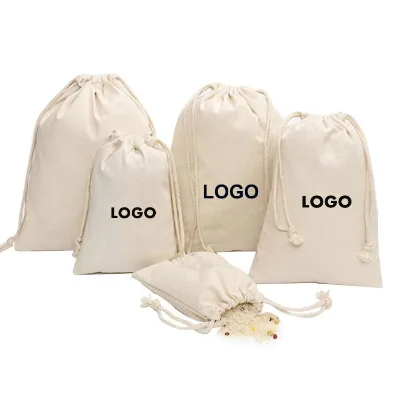
Compare 30 listings for eco friendly muslin bag options featuring cotton, jute, and linen materials with customizable sizes and silk screen printing. Buyers can evaluate specifications like waterproofing, closure types, and minimum order quantities from suppliers in China.
Key considerations
Products List
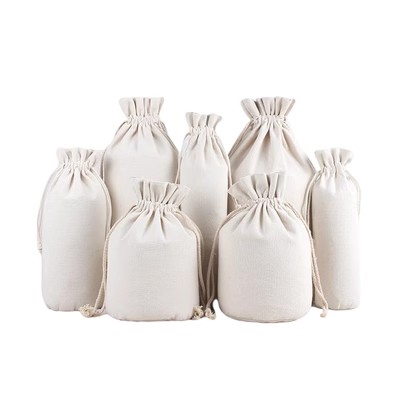
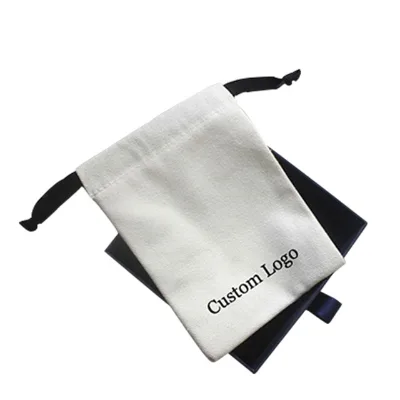
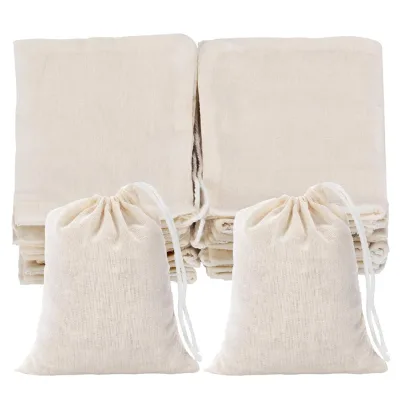


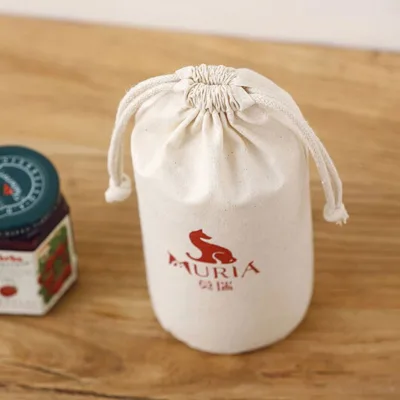
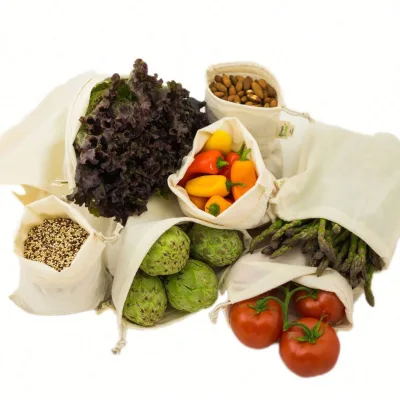
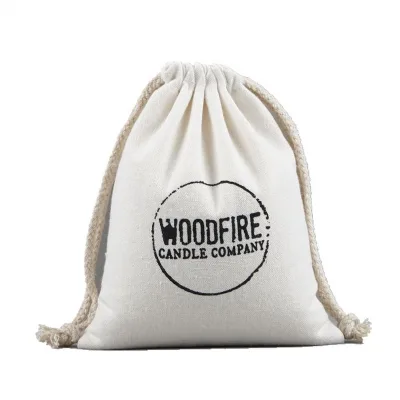
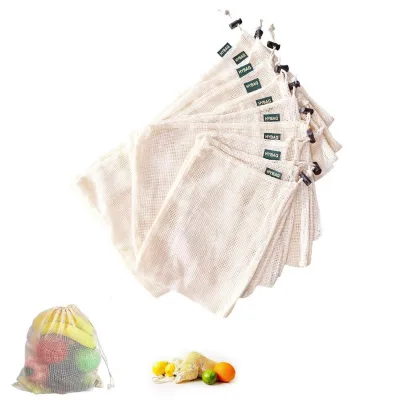
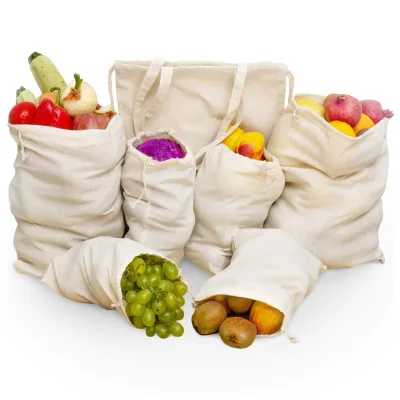





Comprehensive Sourcing Guide
Strategic Sourcing Guide for Eco-Friendly Muslin Bags
Procuring eco-friendly muslin bags requires a disciplined approach that balances material authenticity, functional utility, and supply chain transparency. The term "muslin" often implies a specific weave of cotton, yet in the broader B2B marketplace, it is frequently conflated with other natural fibers like jute, linen, and canvas. A successful sourcing strategy begins with a clear definition of the material requirements, as the physical properties of the fabric dictate the bag's durability, printability, and environmental footprint. Buyers must navigate a market where product attributes vary significantly between listings, necessitating rigorous verification of every specification before placing an order.
Material Composition and Physical Attributes
The foundation of any eco-friendly bag lies in its raw material. In the current supply landscape, products labeled as muslin or eco-friendly bags often derive from cotton, jute, or linen. Each material offers distinct characteristics that influence the final product's performance. Cotton-based options are typically characterized by a soft texture and high breathability, making them suitable for cosmetic storage or retail packaging. Jute, often marketed as a sustainable alternative, provides a coarser texture and higher tensile strength, ideal for heavier industrial uses or promotional giveaways. Linen blends offer a middle ground, combining the durability of jute with the aesthetic appeal of cotton.
When evaluating product specifications, buyers should look for explicit material declarations. For instance, some listings specify "cotton linen drawstring bag" or "Canvas Linen Bag," indicating a blend or a specific weave that mimics the traditional muslin feel. Others may list "jute" as the primary material. It is critical to distinguish between these because the environmental impact and end-use capabilities differ. A jute bag may be more robust for carrying heavy items, whereas a cotton or linen variant is preferable for delicate items or high-end branding where softness is a priority.
The physical dimensions of the bag are equally important. Standard sizes observed in the market include dimensions such as 15*20 cm or larger custom specifications. The single package size often reflects the folded state of the bag, which can vary from 1X15X20 cm to 16X1X20 cm depending on the material thickness and folding method. Buyers must verify if the listed size refers to the open dimensions or the packed dimensions to ensure the product fits their intended use case. Additionally, the single gross weight is a key indicator of material density; values such as 0.070 kg or 0.1 kg suggest the weight per unit, which impacts shipping costs and the perceived quality of the fabric.
Customization Capabilities and Printing Techniques
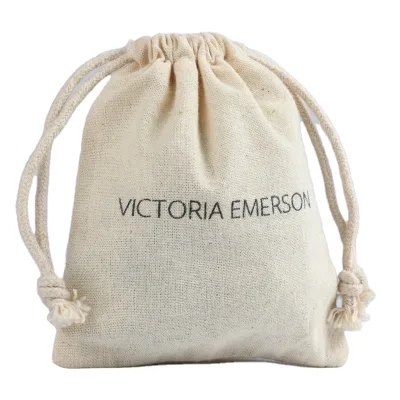
One of the primary drivers for sourcing these bags is the ability to customize them for branding or specific industrial uses. The market shows a high acceptance of custom orders, with many suppliers offering "Accept Customized Logo" and "Customized Color" options. The printing method is a crucial technical specification that affects the longevity and aesthetic quality of the brand logo. Silk screen printing is a dominant technique observed in this sector, often listed as "Silk Scrren" or "Silk Screen Printing." This method is particularly effective for cotton and linen materials, providing vibrant colors and a durable finish that withstands repeated use.
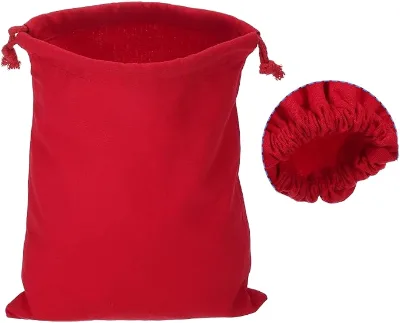
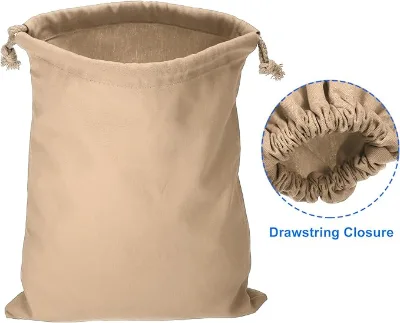
However, customization is not limited to printing. The closure type and style are also customizable parameters. While many eco-friendly bags utilize a drawstring closure for simplicity and ease of use, some listings indicate a "Zipper" fastener, suggesting a more secure storage solution for professional or travel applications. The style can range from "Simple" to more complex designs, and the industrial use can vary from general "storage" to specific "Promotion" or "Professional, Camping & Traveling" scenarios.
Buyers should be aware that customization often comes with minimum order quantity (MOQ) thresholds. Data indicates a wide range of MOQs, from as low as 200 pieces to as high as 5000 pieces. This variance is often tied to the complexity of the customization and the material type. For instance, a standard cotton drawstring bag might have a lower MOQ than a custom-sized jute bag with complex zipper integration. The "Selling Units" are typically listed as "Single item," but the actual transaction will likely involve bulk orders to meet the supplier's production batch requirements.
Compliance, Certification, and Environmental Claims
In the realm of eco-friendly products, compliance and certification are paramount. While many suppliers claim their products are "Recyclable" or made from natural fibers, the presence of formal certifications adds a layer of trust and verification. The Global Organic Textile Standard (GOTS) is a recognized benchmark for organic fibers, ensuring that the cotton or linen used meets strict environmental and social criteria. Similarly, standards such as EN 17427 may be referenced regarding the safety and quality of textile products.
However, buyers must exercise caution. The presence of a certification claim in a general product description does not guarantee that every specific SKU in a catalog is certified. It is essential to request specific documentation for the batch being ordered. The "Hardness" of the material, described as "Medium Soft" in some listings, can also be an indicator of processing quality, though it is not a direct measure of certification. Furthermore, the "Waterproof" attribute, while listed for some items, is often achieved through chemical treatments that may contradict the "eco-friendly" narrative if not sourced responsibly.
When evaluating suppliers, buyers should verify the "Place of Origin" as a proxy for regulatory compliance. Products originating from regions like Shaanxi, Guangdong, or Anhui in China are common, but the specific manufacturing facility's adherence to local and international environmental laws should be confirmed. The "Brand Name" field often lists "ODM;OEM," indicating that the supplier is capable of Original Design Manufacturing and Original Equipment Manufacturing, which implies a level of flexibility in meeting specific compliance requirements.
Cost Drivers and Pricing Structures
Understanding the cost structure of eco-friendly bags is vital for budgeting and negotiation. The observed price range in the market spans from $0.06 to $15.00 USD, a wide disparity that reflects differences in material quality, customization complexity, and order volume. The lower end of the spectrum typically corresponds to basic, unprinted cotton or jute bags with standard sizes and low MOQs. As the customization increases—such as adding complex silk screen printing, custom colors, or specialized closures like zippers—the price per unit tends to rise.
The MOQ is a significant cost driver. Suppliers often offer tiered pricing where the unit cost decreases as the order quantity increases. For example, an MOQ of 200 pieces might carry a higher unit price compared to an order of 5000 pieces. The "Single gross weight" also influences logistics costs; a bag weighing 0.1 kg will incur higher shipping fees than one weighing 0.070 kg, especially when shipping large volumes. Buyers should calculate the total landed cost, including the unit price, shipping, and any potential tariffs, rather than focusing solely on the base price.
Additionally, the "Industrial Use" and "Usage" categories can impact pricing. Bags designed for "Professional, Camping & Traveling" with features like "Single Open" or specific durability requirements may command a premium over those intended for general "Promotion" or "storage." The "Style" and "Color" options also play a role; custom colors may require additional dyeing processes, increasing the cost compared to standard colors like "White" or "Beige."
Supplier Evaluation and Quality Control
Selecting the right supplier involves more than just comparing prices. Buyers should evaluate the supplier's ability to maintain consistency in product attributes. The "prod_model" numbers, such as MA-23331129 or MA-2332336, serve as unique identifiers for specific product configurations. When communicating with suppliers, buyers should reference these model numbers to ensure they are receiving the exact specifications discussed.
Quality control should focus on the integrity of the stitching, the accuracy of the print, and the consistency of the material. For silk screen printing, buyers should request samples to check for color fastness and registration accuracy. The "Surface Handling" and "Printing Handling" specifications should be verified to ensure the supplier has the necessary equipment and expertise. For instance, a supplier claiming "Silk Screen Printing" capability should demonstrate this through sample products or a detailed description of their printing process.
The "prod_packing" method, such as "Individual OPP Bag Packing," is another quality indicator. Proper packaging protects the bags during transit and ensures they arrive in pristine condition. Buyers should also verify the "Standard" specifications, which may include dimensions like 40cmx35cmx12cm for packaging or customized sizes for the bags themselves. Consistency in these standards across large orders is crucial for maintaining brand reputation.
Long-Term Procurement and Application Strategy
For long-term procurement, buyers should consider the scalability and flexibility of their supplier relationships. The "Custom Order: Accept" attribute suggests that suppliers are willing to adapt to changing needs, but this should be formalized in contracts. Buyers should establish clear communication channels for updates on material availability, lead times, and quality issues. The "Lead Time" is not explicitly provided in the data, but it is a critical factor for planning production schedules.
The applications for eco-friendly muslin bags are diverse, ranging from retail packaging and promotional events to professional camping gear and travel accessories. Understanding the specific "Usage" requirements helps in selecting the right material and design. For example, a bag for "Camping & Traveling" might require a "Waterproof" treatment and a "Zipper" closure, whereas a bag for "Promotion" might prioritize a large surface area for "Silk Screen Printing" and a lower cost point.
In conclusion, sourcing eco-friendly muslin bags requires a meticulous approach that integrates technical specifications, compliance verification, and cost analysis. By focusing on material authenticity, customization capabilities, and supplier reliability, buyers can secure high-quality products that meet their environmental and functional goals. The wide range of available options, from simple cotton drawstring bags to complex jute solutions, offers significant flexibility, but success depends on the buyer's ability to navigate the nuances of the market and demand transparency from their suppliers.
FAQs
What materials are used for eco friendly muslin bags?
Products are commonly made from cotton, jute, or linen blends. Listings specify materials like cotton linen drawstring bags or canvas linen bags, offering soft textures for retail or coarser durability for industrial uses depending on the specific supplier selection.
Can I customize the logo on these bags?
Yes, suppliers accept customized logos and custom orders. The primary printing technique observed is silk screen printing, which is effective for cotton and linen materials to ensure vibrant colors and durable branding on the bag surface.
What is the minimum order quantity for these bags?
Minimum order quantities vary significantly between suppliers, ranging from 200 pieces to 5000 pieces. The specific MOQ depends on the material type, customization complexity, and whether the order requires standard sizes or custom dimensions like 15 by 20 cm.
Where are these bags manufactured?
Products originate from various regions in China, including Shaanxi, Guangdong, and Anhui. The place of origin is a key specification for verifying supply chain transparency and ensuring the manufacturer adheres to relevant local and international production standards.
How much do eco friendly muslin bags cost?
The observed price range spans from 0.06 to 15 USD per unit. Costs fluctuate based on material quality, such as jute versus cotton, customization features like zippers, and order volume, with higher volumes often reducing the unit price.
What closure types are available for these bags?
Most bags feature a drawstring closure for simple storage, while some options include a zipper fastener. The choice depends on the intended usage, with zippers preferred for professional camping or travel applications requiring secure storage compared to standard drawstring styles.
Are these bags recyclable and eco-friendly?
Many listings explicitly state that the bags are recyclable and made from natural fibers. While certifications like GOTS are referenced in broader contexts, buyers must verify specific batch documentation to confirm organic status and environmental compliance for their specific order.